Lake Texoma Should Be Capitalized: Understanding the Rules, Reasons, and Real-World Usage


Lake Texoma Should Be Capitalized When it comes to writing about geographic locations, capitalization can be surprisingly tricky. One phrase that often causes confusion is “lake texoma should be capitalized.” Is it a grammar rule? A stylistic choice? Or just another detail people overlook? The short answer is simple: Lake Texoma should be capitalized, and there are solid grammatical reasons behind it.
In this article, we’ll break down why Lake Texoma should be capitalized, when it must be capitalized, and how this rule fits into broader English writing standards. Whether you’re a blogger, student, editor, or SEO writer, understanding why lake texoma should be capitalized will help your writing look more professional and authoritative.
Why Lake Texoma Should Be Capitalized in Standard English
The primary reason Lake Texoma should be capitalized is because it is a proper noun. Proper nouns name specific people, places, or things, and English grammar requires them to be capitalized. Lake Texoma refers to a specific, well-defined body of water located on the border of Texas and Oklahoma, not a general lake.
In grammar, the word “lake” on its own is a common noun. For example, “We visited a lake last weekend” does not require capitalization. However, when “lake” becomes part of an official name—such as Lake Texoma—it transforms into a proper noun. This change is exactly why lake texoma should be capitalized in all formal and informal writing.
Failing to Lake Texoma Should Be Capitalized can subtly undermine the credibility of your writing. Readers may not consciously notice the error, but search engines, editors, and professional audiences often do. Correct capitalization signals that the writer understands basic grammar conventions, reinforcing clarity and trust.
The Grammar Rules That Explain Why Lake Texoma Should Be Capitalized
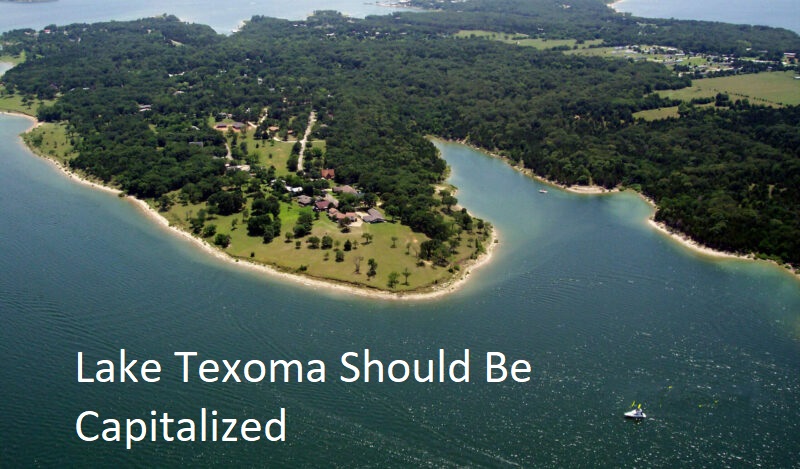
To fully understand why lake texoma should be capitalized, it helps to look at general capitalization rules for geographic features. In English, the names of specific rivers, lakes, mountains, and oceans always use capital letters. Examples include Lake Michigan, Mount Everest, and the Pacific Ocean.
The rule states that when a geographic term is paired with a unique identifier, both parts are capitalized. In this case, “Lake” is the geographic term, and “Texoma” is the unique identifier. Together, they form a single proper noun, which explains why Lake Texoma should be capitalized every time it appears as a name.
There is also a consistency factor. If we capitalize Lake Superior or Lake Tahoe, then not capitalizing Lake Texoma would be inconsistent and grammatically incorrect. Consistency is essential in professional writing, and capitalization plays a big role in maintaining it.
Common Mistakes People Make When Writing Lake Texoma
Despite clear grammar rules, many writers still make mistakes that lead to phrases like “Lake Texoma Should Be Capitalized” appearing in lowercase. One common reason is informal writing habits developed through texting and social media, where capitalization is often ignored.
Another frequent mistake happens when writers assume that only the unique word “Texoma” needs capitalization. They might write “lake Texoma,” thinking it is acceptable. However, this is still incorrect. Because “Lake” is part of the official name, Lake Texoma should be capitalized as a complete phrase.
SEO writing can also contribute to this issue. Some writers intentionally lowercase keywords, believing it helps rankings. In reality, search engines are smart enough to recognize proper nouns, and incorrect capitalization can actually harm readability and authority. This is yet another reason lake texoma should be capitalized, even in keyword-focused content.
Why Lake Texoma Should Be Capitalized in Academic and Professional Writing
In academic writing, capitalization rules are strictly enforced. Professors, editors, and peer reviewers expect proper nouns to be capitalized without exception. Writing Lake Texoma Should Be Capitalized in a research paper or formal report would be considered a grammatical error.
Professional writing follows the same standards. Journalists, travel writers, and content creators rely on accuracy to maintain credibility. When discussing a known location, failing to capitalize its name can make the work seem rushed or unpolished. This is why experienced writers understand that Lake Texoma should be capitalized every single time.
Additionally, style guides such as APA, MLA, and Chicago Manual of Style all support this rule. While these guides differ on many details, they agree that proper nouns—including named lakes—must be capitalized. This universal agreement further confirms why lake texoma should be capitalized across all writing formats.
How Capitalization Affects Clarity and Reader Trust
Capitalization is not just about following rules; it’s also about communication. When readers see “Lake Texoma Should Be Capitalized,” they immediately recognize it as a specific place. Writing “lake texoma” can momentarily confuse readers, making them pause to interpret the meaning.
Clarity is especially important in informational and educational content. If your goal is to inform or guide readers, even small grammatical errors can distract from your message. That’s another practical reason lake texoma should be capitalized in blogs, articles, and guides.
Reader trust is built through attention to detail. Correct capitalization shows that the writer respects both the subject matter and the audience. Over time, consistent accuracy—including proper capitalization—helps establish authority and professionalism in any niche.
Lake Texoma in Digital Content and SEO Writing
In the world of digital content, writers often ask whether grammar rules still apply. The answer is yes. Even in SEO writing, Lake Texoma should be capitalized to maintain readability and brand trust.
Search engines prioritize user experience, and well-written content performs better over time. While keywords are important, they should never compromise grammatical correctness. Writing “lake texoma should be capitalized” as a topic is perfectly fine, but within the body content, the actual place name should still appear correctly as Lake Texoma.
Modern SEO best practices encourage natural language usage. Proper capitalization aligns with how real people search and read content. This means that respecting grammar rules, including capitalization, can indirectly support better engagement and rankings.
Final Thoughts: Why Lake Texoma Should Be Capitalized Every Time
To sum it up, Lake Texoma should be capitalized because it is a proper noun, follows standard English grammar rules, and represents a specific geographic location. Capitalizing it improves clarity, consistency, and credibility across all forms of writing.
Whether you’re writing a casual blog post, a travel guide, an academic paper, or SEO content, correct Lake Texoma Should Be Capitalized matters. It shows professionalism, respect for language, and attention to detail—qualities that readers and editors value highly.
So the next time you write about this iconic lake, remember the rule and apply it with confidence. There’s no debate here: Lake Texoma should be capitalized, and doing so will always make your writing stronger and more polished.