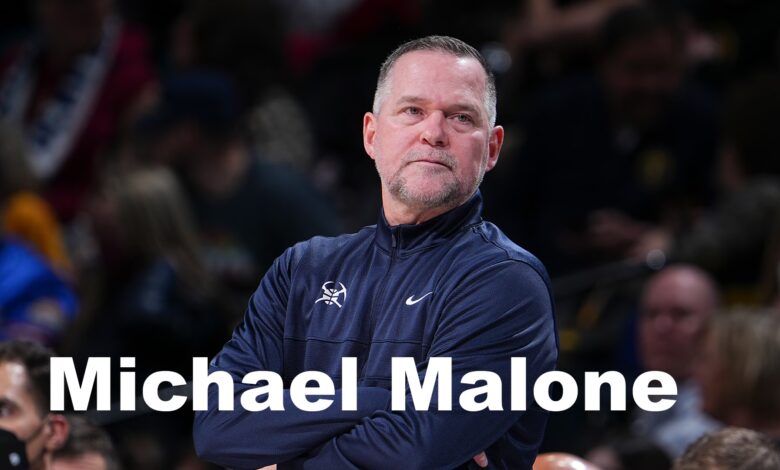
Michael Malone is one of those NBA coaches whose impact becomes clearer the longer you watch his teams play. He is not the loudest voice on the sideline, nor does he chase trends just for attention. Instead, Michael Malone represents a blend of old-school discipline and modern basketball intelligence, built through years of persistence, setbacks, and growth. His journey to becoming one of the league’s most respected coaches was anything but overnight.
What makes Michael Malone particularly fascinating is how he balances player development with accountability. In an era where superstar egos often dominate team culture, Malone has carved out a reputation as a coach who demands effort, rewards unselfish play, and earns trust through consistency. His leadership style resonates deeply with players who want structure without suffocation.
This article takes a deep dive into Michael Malone background, coaching philosophy, leadership style, and long-term influence on the NBA. Whether you’re a basketball fan, an aspiring coach, or someone interested in leadership at the highest level, Michael Malone story offers valuable lessons that extend far beyond the court.
Michael Malons Early Life and Basketball Roots
Michael Malone connection to basketball was almost inevitable. Born into a family deeply tied to the game, he grew up watching, learning, and absorbing the sport at a fundamental level. His father, Brendan Malone, was a respected NBA coach himself, which meant young Michael was exposed early to the realities of professional basketball. From locker rooms to film sessions, basketball wasn’t just a game in his household—it was a way of life.
Growing up around coaches and players helped Michael Malone understand basketball beyond surface-level excitement. He learned early that success in the NBA requires preparation, adaptability, and emotional intelligence. These early lessons shaped his mindset long before he ever stepped onto an NBA bench as a coach. Instead of dreaming solely of stardom as a player, Malone developed a deep respect for strategy and leadership.
Michael Malone played college basketball, but it became clear that his long-term future would be on the sidelines rather than the court. This realization didn’t discourage him; instead, it sharpened his focus. He embraced coaching as his calling, understanding that his strengths lay in communication, teaching, and building cohesive teams from the ground up.
The Coaching Journey: From Assistant Roles to Head Coach
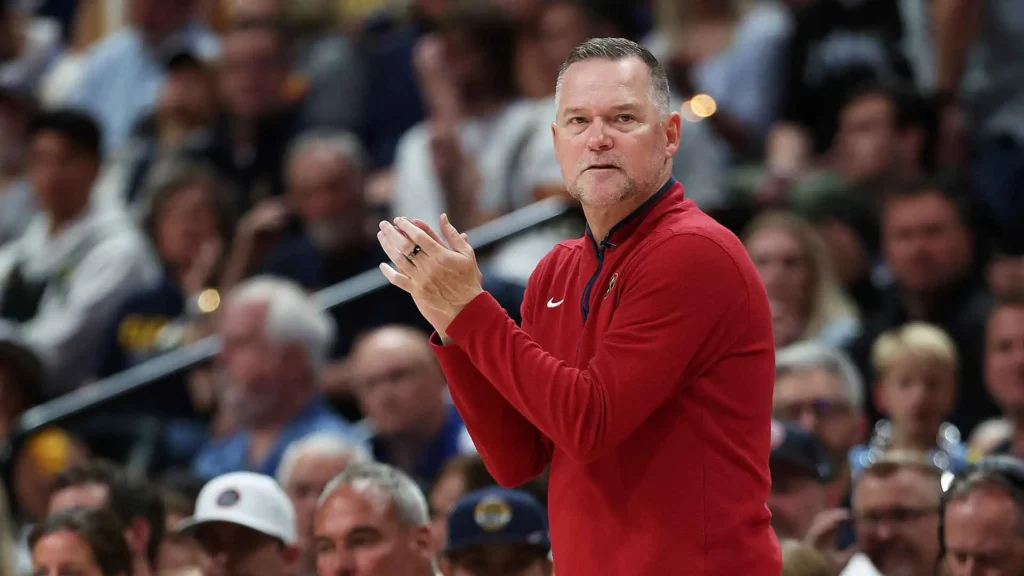
Michael Malone coaching career began the hard way—through years of assistant coaching roles that tested his patience and resilience. He worked under several respected NBA coaches, including stints with the New York Knicks, Cleveland Cavaliers, New Orleans Hornets, and Golden State Warriors. Each stop added a new layer to his understanding of the game.
These assistant roles were not glamorous, but they were crucial. Michael Malone learned how to manage player personalities, break down film effectively, and make in-game adjustments without ego. He studied defensive schemes, offensive flow, and the subtle art of motivating players on an individual level. These experiences helped him build a well-rounded coaching identity.
When Michael Malone finally earned his opportunity as a head coach, he was more than ready. Though his early head-coaching experiences came with challenges and even setbacks, they strengthened his resolve. Rather than chasing shortcuts, Malone doubled down on fundamentals, believing that sustainable success comes from patience and clear principles.
Michael Malone Coaching Philosophy and Basketball IQ
At the core of Michael Malone success is a coaching philosophy rooted in accountability and trust. He expects players to compete on every possession, defend with purpose, and respect the game. However, Malone is not a dictator—he listens to his players and adapts when necessary. This balance is what sets him apart.
Michael Malone places a strong emphasis on defense, effort, and communication. His teams are known for their physicality and discipline, especially when it matters most. While many coaches focus heavily on offensive creativity, Malone understands that championships are often won through defense and mental toughness.
Another key aspect of Michael Malone philosophy is adaptability. He has shown the ability to evolve his system based on personnel rather than forcing players into rigid roles. This flexibility has allowed his teams to grow organically, maximizing individual strengths while maintaining a cohesive team identity.
Leadership Style and Player Relationships
Michael Malone leadership style is often described as calm, honest, and demanding in the right ways. He doesn’t sugarcoat criticism, but he delivers it with respect. Players know where they stand with him, which creates clarity and reduces internal tension. In professional sports, that kind of transparency is rare and valuable.
One of Michael Malone greatest strengths is his ability to build long-term relationships with players. He invests time in understanding their motivations, challenges, and personalities. This approach helps him connect with both stars and role players, ensuring everyone feels valued within the system.
Michael Malone also understands that leadership is not about control—it’s about influence. By holding himself to the same standards he sets for his team, he earns credibility. Players respond to that authenticity, often crediting Malone for helping them mature both professionally and personally.
Challenges, Criticism, and Growth Over Time
Like every successful coach, Michael Malone has faced criticism throughout his career. Early playoff exits, roster limitations, and moments of inconsistency led some to question his ceiling as a head coach. Instead of reacting defensively, Malone used those moments as opportunities to grow.
Michael Malone has shown an impressive ability to learn from failure. He has adjusted rotations, refined offensive sets, and improved late-game decision-making over time. This willingness to evolve is a major reason he continues to earn respect across the league.
What’s particularly admirable is how Michael Malone remains grounded during both success and adversity. He avoids extremes—never getting too high after wins or too low after losses. This emotional stability filters down to his players, creating an environment built for long-term success rather than short-term hype.
Michael Malone Impact on the NBA and Coaching Legacy
Michael Malone impact on the NBA goes beyond wins and losses. He represents a coaching model that values development, patience, and trust. In a league increasingly driven by instant results, Malone proves that steady leadership still matters.
His influence is also seen in the assistants and players who go on to succeed elsewhere, carrying lessons learned under his guidance. Michael Malone teams often reflect his personality—resilient, unselfish, and mentally tough. That consistency speaks volumes about his leadership.
As his career continues, Michael Malone legacy is still being written. However, one thing is clear: he has earned his place among the NBA’s most respected coaches. His journey reminds us that success isn’t always loud or flashy—sometimes, it’s built quietly through years of dedication and belief.
Final Thoughts on Michael Malone
Michael Malone story is a powerful example of what sustained commitment and integrity can achieve. He didn’t arrive at success through shortcuts or hype, but through years of learning, adjusting, and leading with purpose. His career reflects the value of patience in a fast-moving league.
For fans, Michael Malone offers a refreshing reminder that basketball is still about fundamentals, teamwork, and accountability. For aspiring coaches and leaders, his approach provides a blueprint for building trust while demanding excellence.
As the NBA continues to evolve, Michael Malone stands as a steady force—proving that authentic leadership and deep basketball knowledge never go out of style.